Kyoto, often referred to as the cultural heart of Japan, is a city where history and tradition are meticulously preserved. Renowned for its serene temples, intricate tea ceremonies, and charming historical districts, Kyoto offers a profound glimpse into Japan’s past. This article explores some of the most captivating aspects of Kyoto’s rich heritage.
Temples: Sanctuaries of Serenity and Spirituality
Kyoto is home to over 2,000 temples and shrines, each with its own unique story and architectural splendor. Some of the most iconic include:
Kinkaku-ji (The Golden Pavilion)
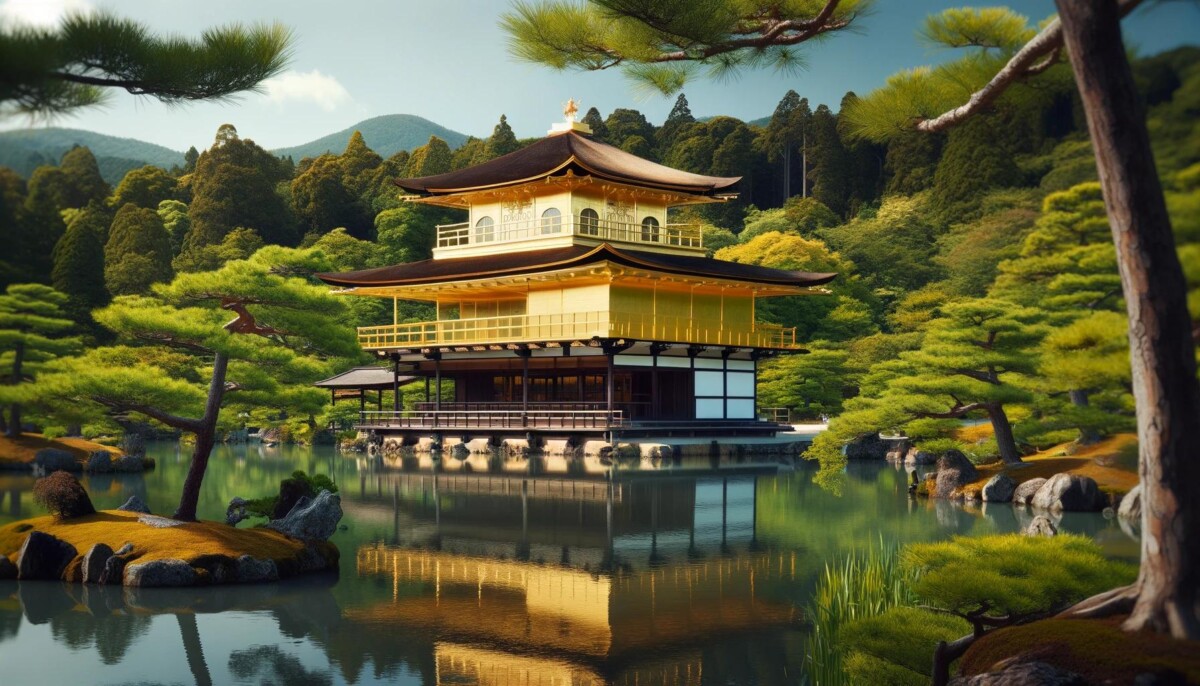
Kinkaku-ji, or the Golden Pavilion, is one of Kyoto’s most famous landmarks. Originally built as a retirement villa for shogun Ashikaga Yoshimitsu in the late 14th century, it was converted into a Zen temple after his death. The pavilion, covered in gold leaf, reflects beautifully in the surrounding pond, creating a stunning and serene landscape. Visitors can stroll through the meticulously maintained gardens and enjoy the tranquil atmosphere.
Fushimi Inari-taisha
Fushimi Inari-taisha is renowned for its thousands of vermilion torii gates, which create a mesmerizing pathway up Mount Inari. Dedicated to Inari, the Shinto god of rice and prosperity, this shrine is a popular destination for both tourists and locals. The hike through the torii gates offers breathtaking views of Kyoto and a deep sense of connection to Japanese spirituality.
Kiyomizu-dera
Kiyomizu-dera, or “Pure Water Temple,” is perched on a hillside, offering panoramic views of Kyoto. Founded in 778, it is famous for its wooden stage that juts out from the main hall, supported by hundreds of wooden pillars. The temple is particularly popular during the cherry blossom and autumn foliage seasons, when the surrounding trees burst into vibrant colors.
Traditional Tea Ceremonies: The Art of Tranquility
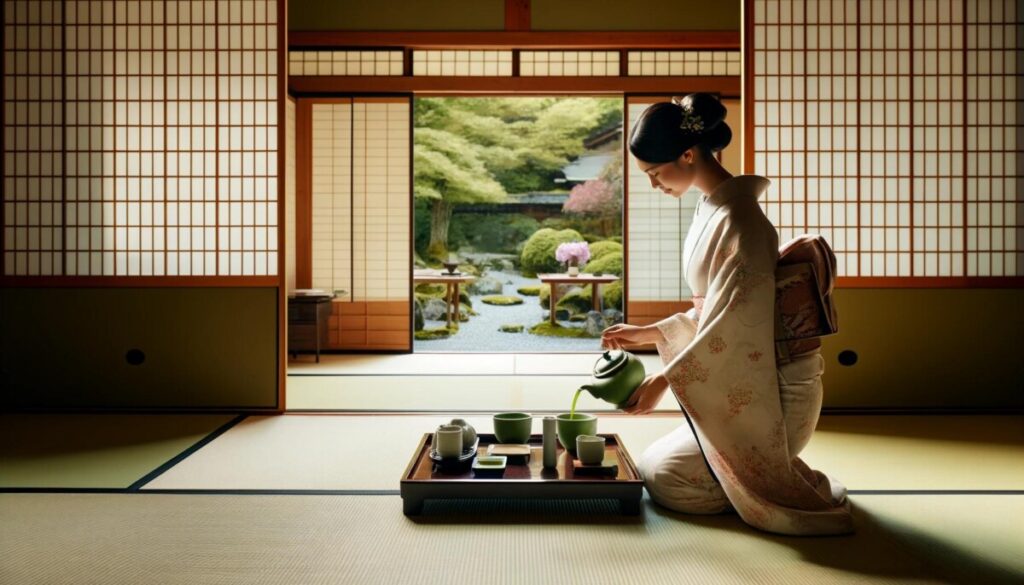
The Japanese tea ceremony, or chanoyu, is a ritualistic preparation and consumption of matcha (powdered green tea). It embodies the principles of harmony, respect, purity, and tranquility. Kyoto, with its rich history of tea culture, is an ideal place to experience this centuries-old tradition.
The Urasenke School
The Urasenke school is one of the most prominent schools of tea ceremony in Japan. Visitors to Kyoto can participate in tea ceremonies hosted by Urasenke masters, learning about the intricate movements and deep philosophical underpinnings of the practice. The experience typically takes place in a traditional tea room, where every detail, from the utensils to the decor, is carefully chosen to enhance the ritual’s aesthetic and spiritual significance.
Camellia Tea Ceremony House
Located in the historical district of Gion, the Camellia Tea Ceremony House offers an accessible introduction to the tea ceremony. Visitors can dress in kimono and partake in a guided ceremony, learning about the history and etiquette of tea culture in a serene and authentic setting.
Read more: The Rich Heritage of Kyoto: Exploring Temples, Traditional Tea Ceremonies, and Historical Districts in Japan’s Cultural CapitalThe Rich Heritage of Kyoto- Protect the Reef: Sunscreen & Sun Safety in Nusa Lembongan
- 札幌ホテルラウンジで過ごす上質なひととき
- 札幌高級ホテル完全ガイド|上質な滞在を楽しむための選び方
- Famous Japan Landmarks Worth Visiting Across the Country
- Technology and Innovation Trends in Indonesia in 2026
Historical Districts: Strolling Through Time
Kyoto’s historical districts transport visitors back to Japan’s feudal era, with their preserved architecture and timeless charm.
Gion
Gion is Kyoto’s most famous geisha district, known for its traditional wooden machiya houses, tea houses, and narrow, cobblestone streets. In the evening, the lantern-lit streets come alive with the sight of geiko (Kyoto’s term for geisha) and maiko (apprentice geisha) gracefully making their way to appointments. Visitors can explore the area and dine in restaurants that have preserved the ambiance of ancient Japan.
Higashiyama
The Higashiyama district is a beautifully preserved area that offers a wealth of historical sites and traditional shops. The winding streets lead to several important temples, including Kiyomizu-dera. Along the way, visitors can browse shops selling local crafts, sweets, and souvenirs, or relax in one of the many traditional tea houses.
Arashiyama
Arashiyama, located on the western outskirts of Kyoto, is famous for its scenic beauty and historical significance. The area features the iconic Bamboo Grove, the picturesque Togetsukyo Bridge, and several important temples, such as Tenryu-ji. Visitors can also take a boat ride on the Hozu River or visit the Iwatayama Monkey Park for a unique wildlife experience.
Conclusion
Kyoto’s rich heritage offers a profound connection to Japan’s cultural and spiritual roots. Whether exploring the serene temples, participating in a traditional tea ceremony, or strolling through the historical districts, visitors to Kyoto are sure to be enchanted by the city’s timeless beauty and deep cultural significance. Each experience in Kyoto provides a window into the soul of Japan, making it an essential destination for those seeking to understand and appreciate the country’s rich heritage.