Indonesia, situated on the Pacific Ring of Fire, boasts over 100 active volcanoes, offering adventurous travelers unique opportunities for exploration. Volcano hopping in Indonesia allows you to experience diverse landscapes, witness stunning sunrises, and engage with local cultures.
Here are some active volcanoes you can safely explore:
Mount Bromo
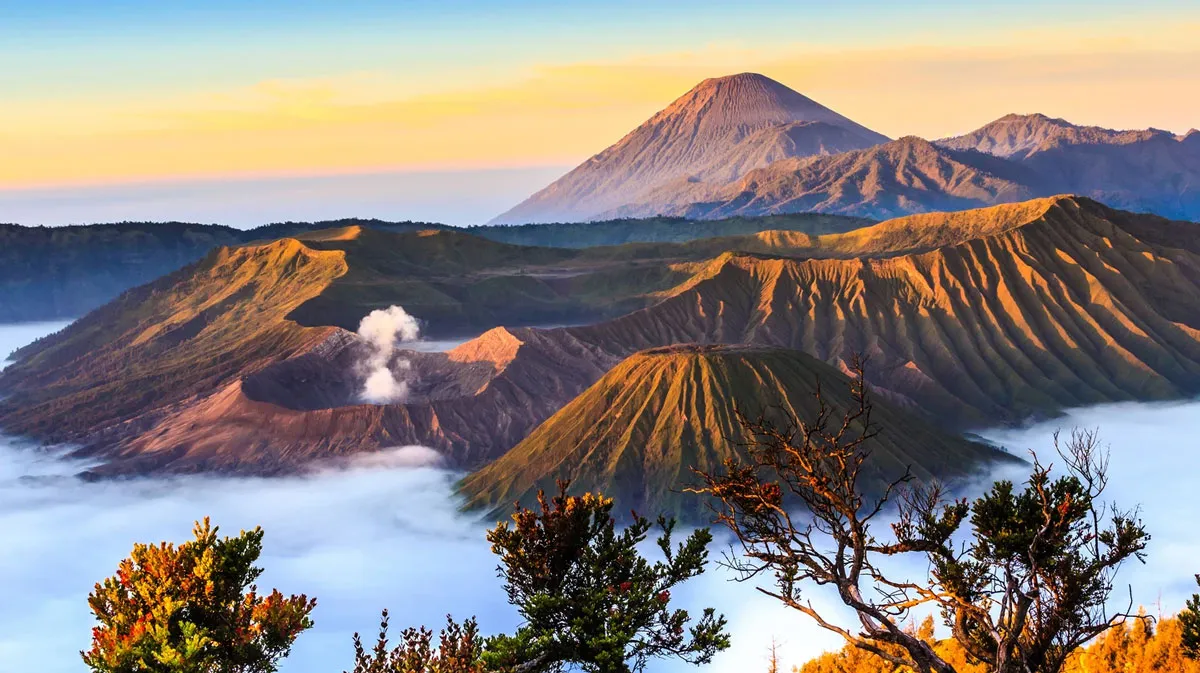
Located in East Java, Mount Bromo stands at 2,329 meters and is renowned for its otherworldly landscapes. The journey typically begins with a pre-dawn hike or jeep ride to a nearby viewpoint to witness the sunrise over the Bromo Tengger Semeru National Park. The surreal experience of watching the sun illuminate the volcanic landscape is unforgettable. After sunrise, trek across the “Sea of Sand” to the crater’s edge. While Mount Bromo is active, it is closely monitored, and access is regulated to ensure visitor safety.
Mount Ijen
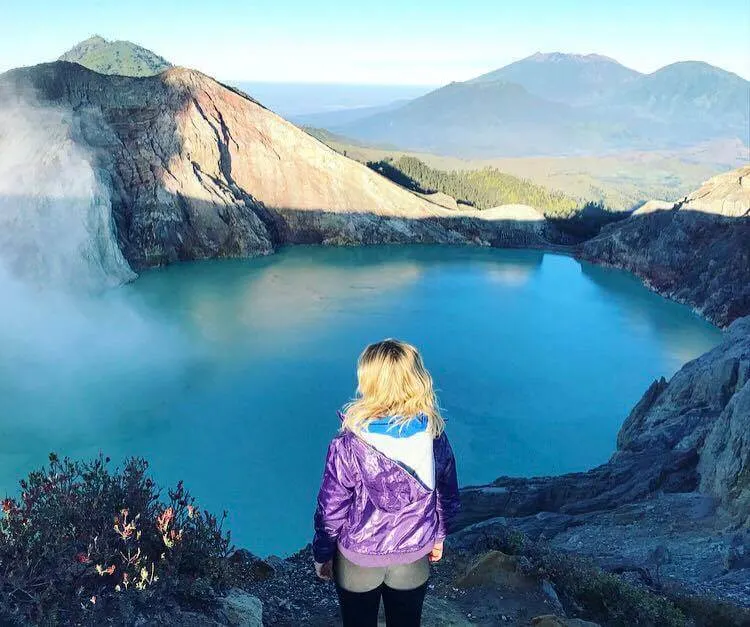
Situated in East Java, Mount Ijen is famous for its striking turquoise sulfur lake and the mesmerizing “blue fire” phenomenon caused by ignited sulfuric gases. The hike to the summit begins around midnight to reach the crater by dawn. The difficult hike is worth it for the amazing views of the bright blue flames and the strange, sour-smelling lake in the crater. Due to toxic gases, it’s essential to wear protective masks and follow local guides’ instructions. Guided tours are recommended to ensure safety.
Mount Rinjani
Mount Rinjani, located on the island of Lombok, is the second-tallest volcano in Indonesia, reaching a height of 3,726 meters. Climbing to the top is quite a tough adventure that usually takes a few days, but it rewards hikers with stunning views of a beautiful crater lake called Segara Anak, as well as the surrounding scenery. Along the way, trekkers can explore different types of plants and wildlife and meet local people. Because of the challenges involved in the climb, it’s a good idea to go with experienced guides and to be well-prepared.
Mount Merapi
Translating to “Mountain of Fire,” Mount Merapi is one of Indonesia’s most active volcanoes, located near Yogyakarta in Central Java. Despite its frequent activity, guided treks are available during periods of low volcanic activity. The hike is strenuous, often starting before midnight to reach the summit by sunrise. The panoramic views from the top are spectacular, but due to the volcano’s unpredictability, it’s crucial to check the current activity level and consult local authorities before planning a visit.
Also read 10 Tips Effective Communication While Traveling
Safety Considerations
While these volcanoes are accessible to tourists, safety should always be a priority. Here are some essential tips:
- Check Activity Levels: Before embarking on a hike, verify the current activity status of the volcano. Local authorities and geological monitoring agencies provide up-to-date information.
- Hire Local Guides: Engaging experienced local guides enhances safety and enriches the experience with valuable insights into the area’s geology and culture.
- Use Proper Equipment: Ensure you have appropriate gear, including sturdy footwear, protective masks (especially for sulfuric areas), and sufficient water and food supplies.
- Follow Regulations: Adhere to local guidelines and respect exclusion zones established for your safety.
By following these precautions, you can safely enjoy the thrilling experience of volcano hopping in Indonesia, witnessing some of the planet’s most dynamic natural wonders.