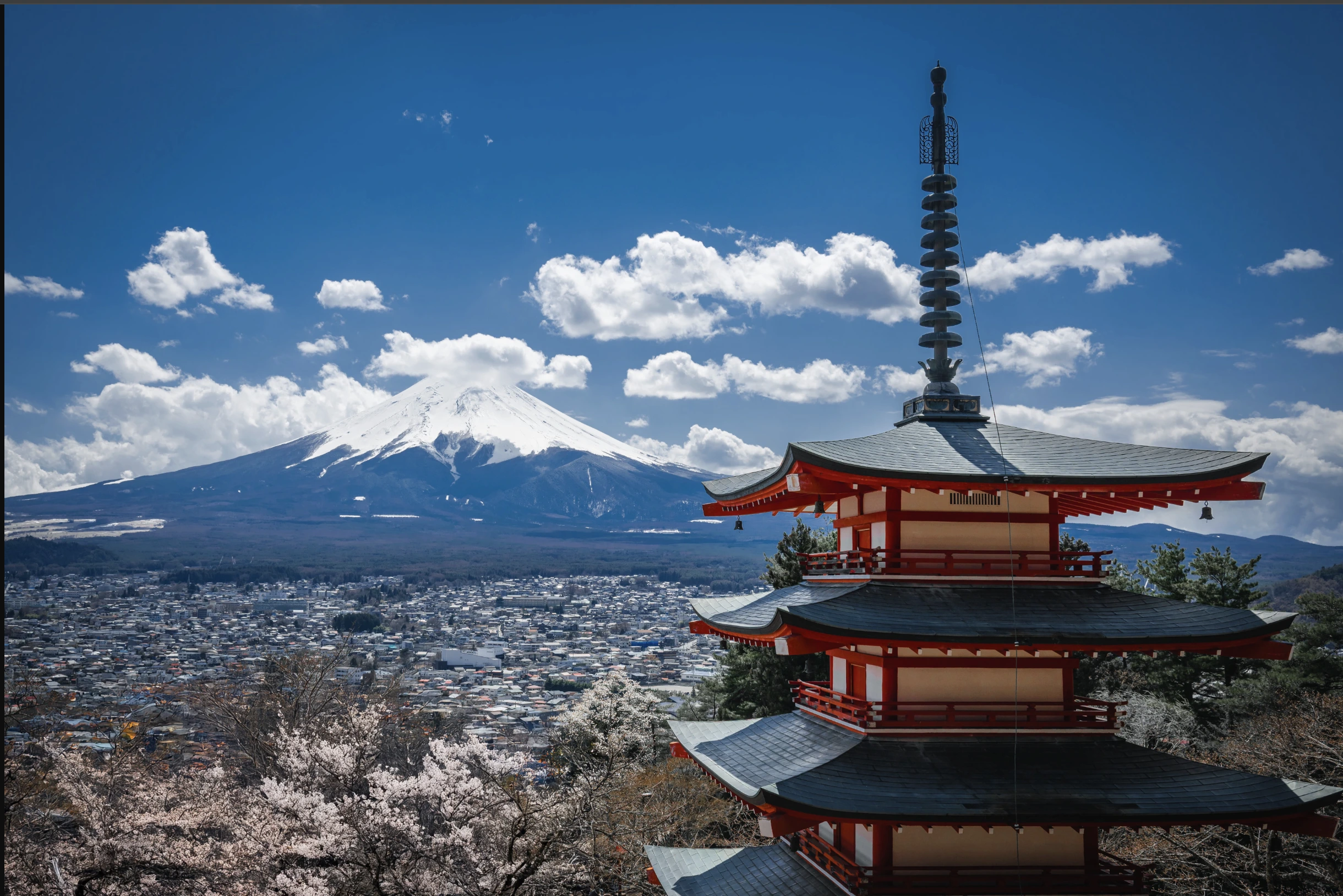
Japan is home to some of the world’s most recognizable landmarks, attracting travelers with a remarkable combination of history, culture, architecture, and natural beauty. From centuries-old castles and sacred shrines to modern observation towers and iconic mountains, the country’s landmarks reflect the diverse experiences available across its many regions.
Many visitors include famous Japan landmarks in their itineraries because these sites provide insight into the nation’s heritage while showcasing destinations that have become symbols of Japanese identity. Some landmarks are celebrated for their historical importance, while others are admired for their architectural achievements or scenic surroundings.
Whether you are visiting Japan for the first time or returning to explore new regions, discovering its most famous landmarks can help create a deeper understanding of the country’s culture, traditions, and landscapes. These destinations continue to inspire travelers from around the world and remain among the most memorable places to visit in Japan.
Why Japan’s Landmarks Attract Travelers Worldwide
Landmarks often represent the essence of a destination, and Japan offers an impressive variety of sites that highlight different aspects of its identity. Some landmarks preserve centuries of history and religious tradition, while others showcase modern innovation and contemporary urban development.
Another reason these attractions remain popular is their connection to local culture. Many of Japan’s most famous sites continue to serve important roles within communities, allowing visitors to experience living traditions rather than simply observing historical monuments.
The diversity of landmarks also allows travelers to customize their journeys. A single itinerary can include historic castles, sacred temples, vibrant city attractions, and breathtaking natural wonders, creating a balanced travel experience that appeals to a wide range of interests.
Historic Landmarks in Japan

Japan’s historic landmarks provide valuable insight into the country’s cultural heritage and architectural traditions. These sites have survived for generations and continue to attract visitors interested in history, craftsmanship, and local culture.
Himeji Castle
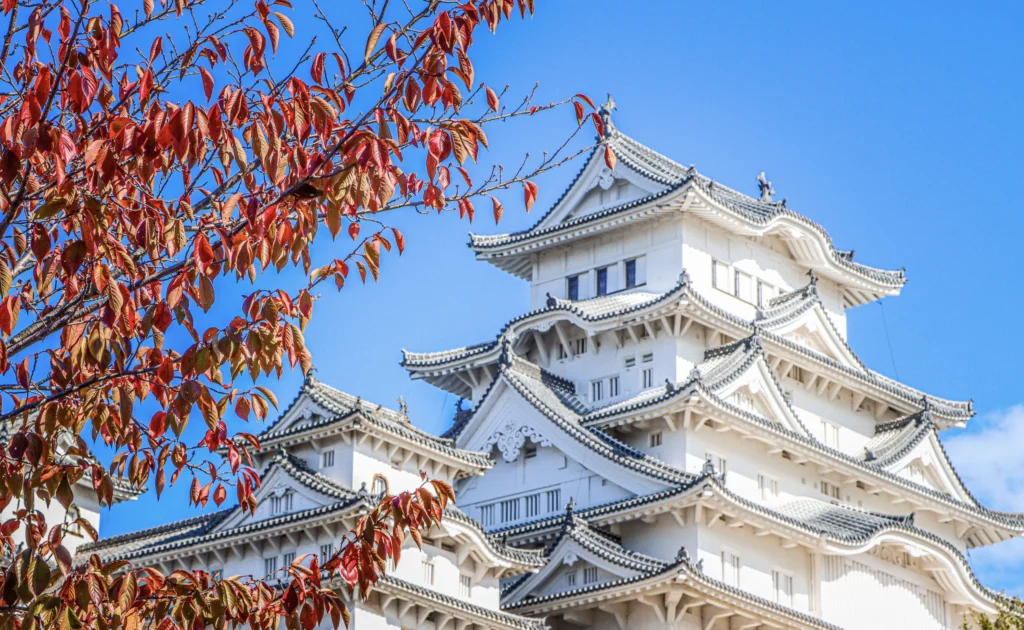
Often regarded as one of Japan’s finest surviving castles, Himeji Castle is admired for its elegant design and historical significance. The landmark represents an important part of Japan’s feudal history and remains one of the country’s most visited cultural attractions.
Destination Spotlight: Himeji Castle Travel Guide
Fushimi Inari Shrine
Known for its thousands of vibrant torii gates, Fushimi Inari Shrine has become one of the most recognizable landmarks in Japan. The scenic pathways leading through the surrounding hills create a unique cultural experience that attracts visitors throughout the year.
Cultural Insight: Fushimi Inari Shrine Guide
Todai-ji Temple
Todai-ji Temple is one of Japan’s most significant religious landmarks. Its impressive architecture and cultural importance make it a popular destination for travelers interested in Buddhist heritage and traditional Japanese craftsmanship.
Explore Further: Todai-ji Temple Guide
Modern Landmarks in Japan
While Japan is renowned for its historical heritage, the country is equally recognized for its modern landmarks. These attractions represent innovation, engineering achievement, and contemporary urban culture, offering a different perspective on Japan’s identity.
Tokyo Tower
Tokyo Tower has become one of the most recognizable symbols of modern Japan. Inspired by European observation towers yet uniquely Japanese in character, it offers panoramic views of the capital and continues to attract visitors seeking a classic Tokyo experience.
Urban Discovery: Tokyo Tower Visitor Guide
Tokyo Skytree
As one of the tallest structures in the world, Tokyo Skytree showcases Japan’s engineering capabilities and modern architectural vision. Its observation decks provide impressive views of the city while serving as a major entertainment and shopping destination.
City Highlights: Tokyo Skytree Guide
Osaka Castle Area
Although Osaka Castle itself is rooted in history, the surrounding district represents the blend of old and new that characterizes many Japanese cities. Visitors can explore cultural attractions while enjoying the modern urban environment that surrounds this iconic landmark.
Continue Exploring Japan: Osaka Castle Area Guide
Natural Landmarks in Japan
In addition to cultural and urban attractions, Japan is home to remarkable natural landmarks that draw visitors from around the globe. These destinations showcase the country’s diverse geography and provide some of its most iconic scenery.
Mount Fuji
Mount Fuji is perhaps the most famous landmark in Japan and has become an enduring symbol of the nation. Its symmetrical shape, cultural significance, and scenic surroundings make it one of the most photographed destinations in the country. Travelers visiting Japan often consider seeing Mount Fuji an essential part of their journey.
Nature Escape: Mount Fuji Travel Guide
Itsukushima Shrine and Miyajima
Known for its iconic floating torii gate, Itsukushima Shrine is one of Japan’s most recognizable coastal landmarks. The combination of cultural heritage and natural beauty creates a unique setting that has inspired travelers for generations.
Scenic Inspiration: Miyajima Travel Guide
Jigokudani Monkey Park
Jigokudani Monkey Park offers a completely different type of landmark experience. Famous for its wild monkeys bathing in hot springs during winter, the destination combines wildlife, seasonal scenery, and natural landscapes in a way that is uniquely Japanese.
Wildlife Encounter: Jigokudani Travel Guide
How to Include Japan’s Landmarks in Your Itinerary
Because Japan’s landmarks are spread across multiple regions, travelers often benefit from planning a balanced itinerary that combines historical attractions, modern city experiences, and natural scenery. This approach allows visitors to appreciate the country’s diversity while avoiding an overly repetitive travel schedule.
Many travelers begin their journey in major cities before expanding their itinerary to include cultural and natural landmarks in other regions. Combining famous attractions with lesser-known destinations often creates a richer and more memorable travel experience.
Visitors exploring northern Japan after visiting some of the country’s most iconic landmarks often choose accommodations among the finest 5 star hotels in sapporo japan, providing a comfortable base for discovering additional attractions throughout Hokkaido.
Whether traveling for history, culture, photography, or outdoor adventure, Japan’s landmarks provide countless opportunities to experience different sides of the country while creating unforgettable memories along the way.
Frequently Asked Questions
What Are the Most Famous Landmarks in Japan?
Some of the most famous landmarks in Japan include Mount Fuji, Himeji Castle, Fushimi Inari Shrine, Tokyo Tower, Tokyo Skytree, and Itsukushima Shrine. These attractions are widely recognized for their cultural, historical, and scenic significance.
Why Is Mount Fuji Considered an Important Japanese Landmark?
Mount Fuji is one of Japan’s most iconic natural landmarks and has long been associated with Japanese culture, art, and spirituality. Its distinctive shape and cultural importance have made it a symbol of the country recognized around the world.
Are Japan’s Historic Landmarks Worth Visiting?
Yes. Historic landmarks such as Himeji Castle, Todai-ji Temple, and Fushimi Inari Shrine offer valuable insight into Japan’s cultural heritage, architectural traditions, and historical development. They remain among the country’s most popular attractions.
Can I Visit Both Historic and Modern Landmarks During One Trip?
Absolutely. One of Japan’s unique strengths is the close connection between traditional and modern attractions. Many travelers combine historic sites, cultural landmarks, modern observation towers, and urban districts within the same itinerary.
What Is the Best Season to Explore Japan’s Landmarks?
Japan’s landmarks can be visited throughout the year. Spring offers cherry blossoms, summer provides vibrant greenery, autumn features colorful foliage, and winter creates dramatic seasonal scenery around many cultural and natural attractions.
Are Natural Landmarks as Popular as Cultural Landmarks in Japan?
Yes. Natural landmarks such as Mount Fuji and scenic coastal destinations attract millions of visitors annually. Many travelers choose to combine cultural experiences with nature-focused destinations to enjoy a more balanced journey.
How Many Landmarks Should Be Included in a Japan Itinerary?
The ideal number depends on the length of the trip. Most travelers benefit from selecting a mix of cultural, historic, modern, and natural landmarks while leaving enough time to fully enjoy each destination without feeling rushed.
Exploring Japan Through Its Most Iconic Landmarks
Japan’s landmarks tell the story of a country shaped by centuries of tradition, remarkable natural beauty, and continuous innovation. From historic castles and sacred shrines to towering city landmarks and world-famous natural attractions, these destinations highlight the many experiences available throughout the country.
Visiting famous landmarks allows travelers to gain a deeper appreciation for Japan’s history, culture, and regional diversity. Each site offers its own perspective, whether through architectural achievements, spiritual significance, historical importance, or breathtaking scenery.
For travelers planning a future visit, exploring a combination of historic, modern, and natural landmarks can create a rewarding and well-rounded itinerary. With so many iconic destinations spread across the country, Japan continues to offer unforgettable experiences that inspire visitors from around the world.