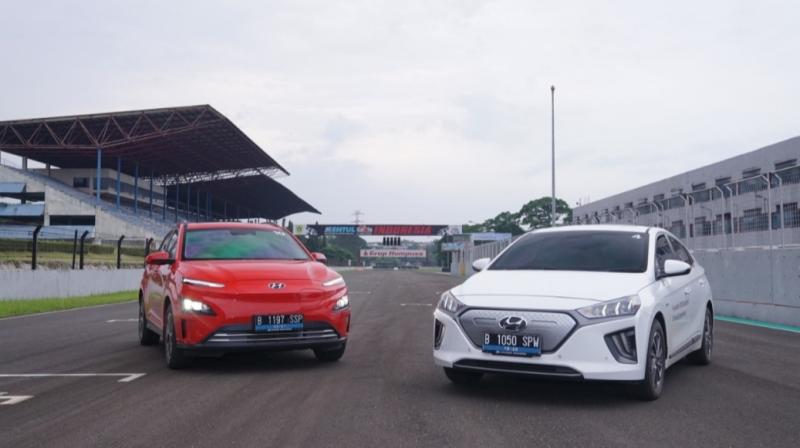
Indonesia is the fourth most populous country in the world and is home to some of the worst air pollution in Southeast Asia. In response, the Indonesian government has been trying to reduce the country’s carbon footprint and promote the use of clean energy. One of the most significant steps taken by the government has been the introduction of subsidies for electric vehicles (EVs). This article explores subsidies’ role in promoting electric vehicle adoption in Indonesia.
Subsidies: An Incentive for EV Adoption
The Indonesian government has been offering subsidies for the purchase of electric vehicles since 2019. The subsidies are part of the government’s efforts to reduce greenhouse gas emissions and air pollution. The subsidies aim to encourage the purchase of electric vehicles by offering a financial incentive to buyers. The government has set a target of having 20% of all cars sold in Indonesia by 2025 be electric vehicles.
The subsidies offered by the government cover up to 25% of the cost of an electric car. The subsidy amount varies based on the vehicle’s battery capacity and type. A subsidy is also offered to purchase electric motorcycles and hybrid cars.
The Impact of Subsidies on EV Adoption
The introduction of subsidies for electric vehicles has had a significant impact on the adoption of EVs in Indonesia. The subsidies have made electric vehicles more affordable and accessible to a wider range of consumers. As a result, the number of electric vehicles sold in Indonesia has increased rapidly since introducing the subsidies.
In 2018, only 108 electric vehicles were sold in Indonesia. However, in 2019, after introducing the subsidies, the number of electric vehicles sold increased to 6,500. This was a significant increase and showed the subsidies’ impact on EV adoption.
Challenges in Promoting EV Adoption
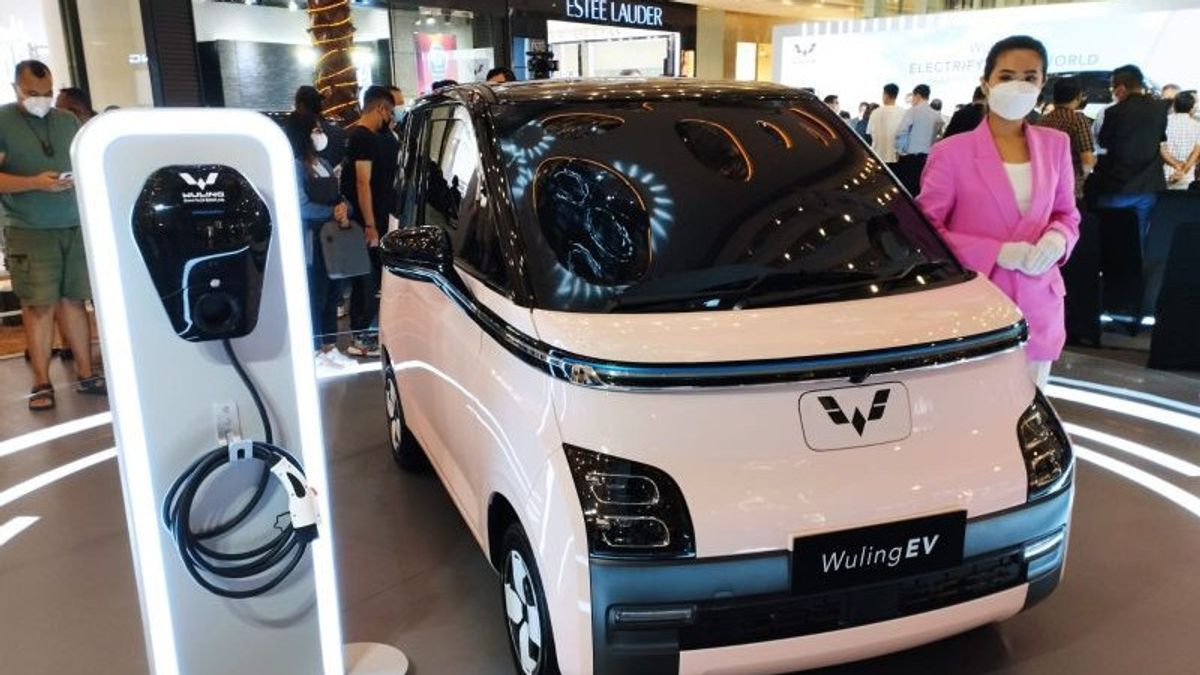
Despite the government’s efforts to promote the adoption of electric vehicles, there are still some challenges to overcome. The failure of charging infrastructure is one of the primary issues. Charging stations are necessary for recharging the batteries of electric vehicles. However, the number of charging stations in Indonesia is still relatively low compared to other countries.
Another challenge is the higher initial cost of electric vehicles. While the subsidies offered by the government have made electric vehicles more affordable, they are still more expensive than traditional gasoline-powered vehicles. This cost difference can be a barrier for some consumers, particularly those on a tight budget.
Introducing subsidies for electric vehicles in Indonesia has been a significant step towards promoting the adoption of clean energy in the country. The subsidies have made electric vehicles more affordable and accessible to a wider range of consumers. As a result, the number of electric vehicles sold in Indonesia has increased rapidly.
However, there are still challenges to overcome, particularly regarding the lack of charging infrastructure and the higher initial cost of electric vehicles. The government will need to continue to work on these issues if it hopes to meet its target of having 20% of all cars sold in Indonesia by 2025 be electric vehicles.
Overall, subsidies’ role in promoting electric vehicle adoption in Indonesia cannot be overstated. Subsidies have been a powerful tool in encouraging the adoption of clean energy and reducing the country’s carbon footprint.